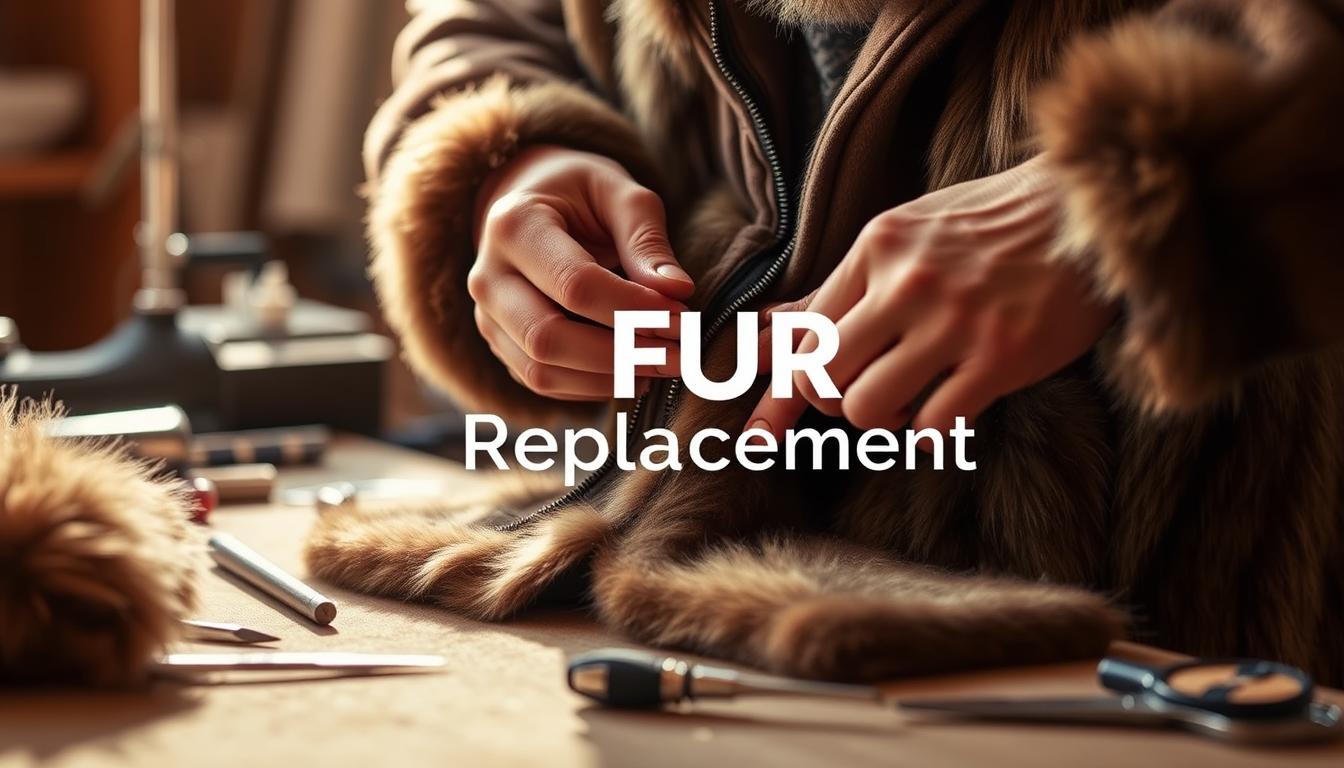
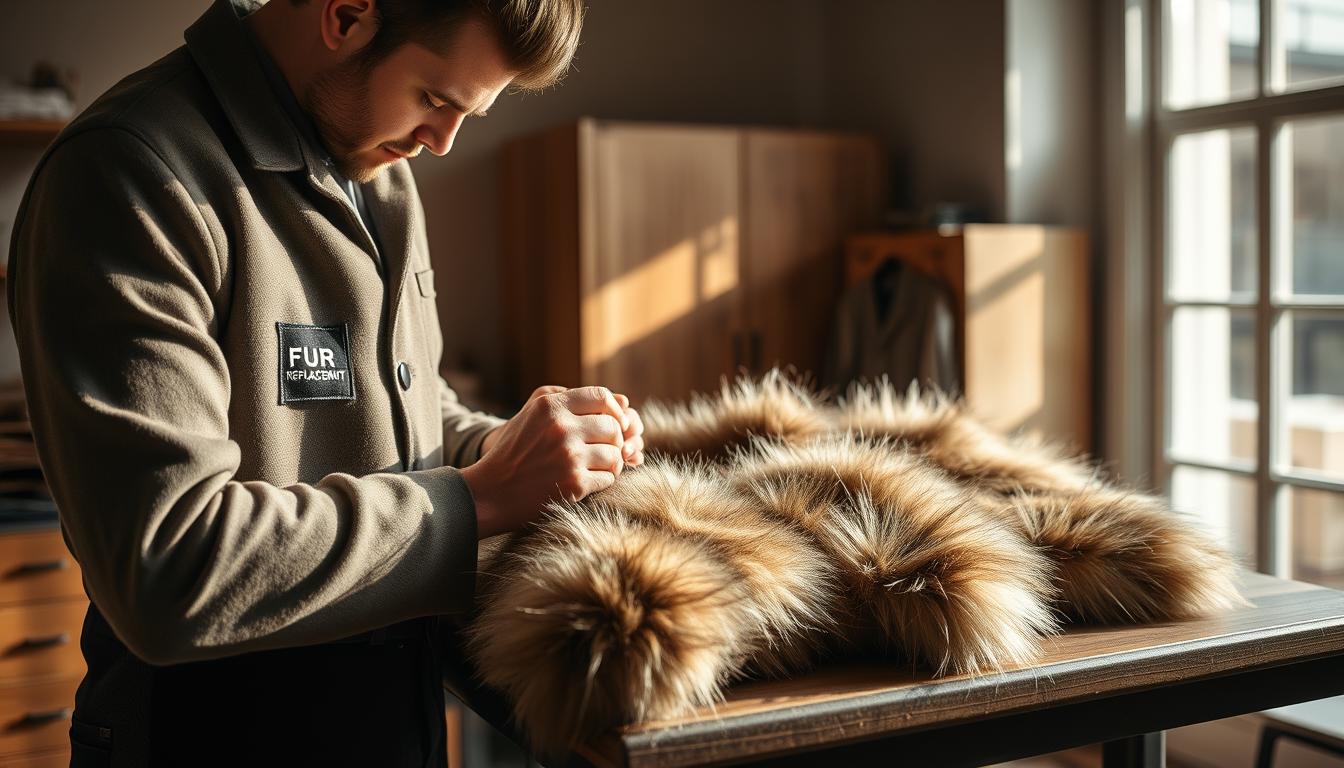
There are coats that hold memories. I still recall a winter morning when a hood trimmed in soft pelage felt like a small shelter against a fierce wind. That memory shapes why we study this topic today.
We trace the early role of Arctic designs that turned animal skins and hollow-haired linings into life-saving warmth. Indigenous makers shaped the parka into a technical garment with a long cut and a protective hood that trapped heat and shed moisture.
FUR REPLACEMENT™ offers premium, handcrafted alternatives that match natural texture while staying cruelty-free. We explain how materials and craft moved the parka from practical outerwear to a fashion staple.
Follow our guide to recognize quality, understand construction, and choose sustainable accessories that restore and elevate your favorite coat. For deeper context, see a detailed timeline at this overview of coat evolution.
Key Takeaways
- Indigenous designs defined the parka’s core function: warmth, protection, and mobility.
- Hoods, longer cuts, and hollow-haired linings were vital for Arctic survival.
- Military needs and street culture helped the coat become a fashion icon.
- Modern materials blend performance with luxury for winter outerwear today.
- FUR REPLACEMENT™ delivers cruelty-free options that honor craftsmanship and style.
What Defines a Parka: From Arctic Utility to Winter Wardrobe Staple
From Arctic shelters to city streets, the parka is engineered to keep a wearer warm in real weather.
Key design traits set a parka apart. Modern parkas are longer (mid-thigh to knee) and roomy for layering. They often include a hood lined with pile or trim to shield the face in cold weather.
A sturdy outer shell resists wet snow and abrasion. Military features such as high‑closure zippers or buttons and detachable liners add versatility. These details explain what you know today as a parka versus a lighter jacket or coat.
- Extended length for torso and upper‑leg protection.
- Hoods and trims that manage moisture and visibility.
- Roomy patterning, pockets, drawcords, and hem adjustments for function.
| Feature | Typical Material | Benefit |
|---|---|---|
| Outer shell | Cotton poplin / nylon blend | Durability and wet‑weather resistance |
| Hood trim | Pile or tactile replacement trim | Deflects snow; protects peripheral vision |
| Removable liner | Quilted synthetic or down | Adaptable warmth across seasons |
For restoration, match trim dimensions and attachment points so replacement hoods fit precisely. We help buyers identify fabric density, stitching quality, and hardware that extend the life of parkas and make them a lasting wardrobe staple in both function and fashion.
The history of fur on parkas: Indigenous origins and early innovations
In Arctic settlements, garments were engineered to keep people moving and faces clear in storms.
Across the arctic circle, communities developed distinct clothing solutions. The Inuit amauti, often paired with an inner atigi, used caribou and sealskin with outward-facing hollow hairs to trap heat and deliver reliable insulation.
The Aleut kamleika offered another answer: stitched animal intestines that provided a lightweight, water‑resistant shell long before synthetics.

Why wolverine trim mattered
Wolverine guard hairs shed ice and sleet. That kept the hood’s edge clear and preserved sight in blowing snow.
- Hollow hairs from caribou create micro‑air pockets that increase warmth.
- Layered lining systems helped people trap heat close to the body.
- Traditional sewing skill and time—often weeks—made each parka a crafted tool.
| Traditional Element | Material | Function |
|---|---|---|
| Amauti + atigi | Caribou/sealskin | Child carrying, layered warmth |
| Wolverine trim | Guard hairs | Moisture shedding, visibility |
| Kamleika | Mammal intestines | Water resistance, lightweight shell |
We honor this craft and translate its lessons into cruelty-free trims that replicate the protective look and feel while respecting the ingenuity of indigenous people and communities.
From airfields to front lines: How the U.S. military adopted the parka
Military need turned a practical coat into a performance standard.
In World War II the U.S. adopted military parkas for extreme weather conditions. Eddie Bauer’s B-9 down coat used a cotton/nylon blend to stay weather-resistant. Air Force testing later produced the N-3 and N-3B “Snorkel” parkas with DuPont flight‑silk nylon outer shell. Those parkas used wool blanket insulation and could perform near -60°F (-51°C).
The Korean War brought the fishtail parka (M-48, M-51, M-65). Its split hem with drawstrings let soldiers tie tails around each leg and trap more heat in freezing winds. Army models leaned on tightly woven poplin shells and detachable lining systems introduced around 1943.
| Model | Shell | Key feature |
|---|---|---|
| N-3B | Flight-silk nylon | Snorkel hood, heavy insulation |
| Fishtail (M-series) | Poplin | Split hem tie tails |
| Army field | Poplin/nylon blends | Detachable liners |
After the war, army surplus stores and surplus stores fed civilian fashion. We help people spot authentic cues—snorkel hoods, full closures, and removable lining—so restoration keeps original purpose while using premium, cruelty-free trims. For technical guidance on cold operations, see our cold weather reference.
Parkas in culture and fashion: Mods, Britpop, and designer reinvention
From scooter lanes to stadium stages, the long parka traveled through subcultures and runways.
The 1960s Mod scene adopted the fishtail parka as a practical shield for suits. Riders used lightweight shells to protect tailoring while keeping a sharp urban style.
In the 1990s Britpop era, Oasis and peers made the long silhouette a stage signature. That era moved the coat from army surplus racks into global fashion conversation.

Across the Atlantic, New York hip-hop embraced military coats for warmth and attitude. Streetwear and high fashion then crossed paths as designers reworked technical details into couture pieces.
Designers like Helmut Lang pushed minimal technical shells. Raf Simons’ AW03 brought graphic elements to winter outerwear and cemented the parka’s archive status.
- The fishtail hem stayed as a heritage cue.
- Surplus stores fed authentic looks into mainstream wardrobes.
- Contemporary labels mix dyes and treatments to refresh classic lines.
We celebrate these cultural milestones while applying Scandinavian design sensibility to restore and refine beloved coats. Our trims honor heritage silhouettes and modern fashion needs.
The function of fur on parkas today: Insulation, wind, and weather conditions
A well-designed hood remains the frontline defense against wind, snow, and heat loss. In modern outerwear the hood and its trim shape a small microclimate that helps the wearer warm in cold climates.
The science of warmth
Layered fibers trap air to increase insulation while allowing controlled breathability. Hollow or layered strands create tiny pockets that hold heat without making the hood stifling.
Moisture management at the hood
Proper pile density and fiber orientation wick blowing snow and sleet away from the face. That reduces frost build-up and keeps peripheral vision clear in severe weather conditions.
Materials compared
Natural pelage offers excellent recovery after compression and proven moisture resistance. High‑grade synthetics and modern shells replicate these traits with added durability and easier care.
- Trims trap heat at the face while permitting air exchange to cut condensation.
- Hood design and shell membranes work together to manage weather and moisture.
- Our handcrafted replacements are ethically sourced and cruelty-free, engineered to match the look and feel of natural fur with a premium finish.
| Property | Natural | Synthetic/Modern |
|---|---|---|
| Insulation per weight | High | Comparable |
| Moisture shedding | Excellent | Very good |
| Recovery after compression | Strong | Improving |
Modern materials and performance: From military-grade shells to everyday outerwear
From woven poplin to high‑performance laminates, materials dictate a parka’s real-world performance.
Outer shell innovations
Material science reshaped outer shells. Early cotton/nylon blends gave way to membrane technologies like Gore‑Tex, pioneered with military support at Natick in 1976.
Today, brands such as Arc’teryx tune waterproof‑breathable laminates for light weight and low noise. A quality outer shell fends off abrasion and precipitation while protecting insulation so the coat holds steady heat in cold weather conditions.
Layering systems and detachable pieces
Layering makes one jacket adapt to many climates and outdoor activities. Zippable liners, removable hoods, and modular collars let you mix liners and shells by activity and time of year.
- Compatibility: Modern and heritage jackets accept trims via snaps, zips, or toggles.
- Field features: Storm flaps, drawcord waists, and hem adjusters protect comfort during long use.
- Insulation placement: Proper fill in the torso and hood keeps heat working together under dynamic conditions.
| Element | Benefit | When to choose |
|---|---|---|
| Membrane shell | Waterproof/breathable protection | Wet, cold weather |
| Detachable liner | Versatile warmth levels | Variable temperatures |
| Premium trim | Function at the hood; refined finish | Daily outerwear & outdoor activities |
We guide readers to pair modern shells and liners with premium, cruelty-free trims that upgrade performance and aesthetics for years to come.
Timeless look, modern sustainability: Handcrafted fur replacement accessories by FUR REPLACEMENT™
A quality replacement trim can transform a weathered hood into a statement of durable luxury and responsible design.
FUR REPLACEMENT™ delivers premium, handcrafted, cruelty-free trims that match the look and feel of natural fur while honoring Scandinavian design restraint. We restore and elevate jackets and parkas without compromise so each garment performs and reads as refined today.
Luxury aesthetics without compromise: Scandinavian design, durability, and a premium finish
Clean lines, precise proportions, and muted palettes define our approach. Each trim is cut to hold shape and resist matting.
Benefit: a refined finish that enhances style and keeps the wearer warm in variable weather.
Ethically sourced, cruelty-free materials that match the look and feel of natural fur
We select fibers for consistent pile, colorfastness, and hand-feel. These materials replicate tactile richness while meeting ethical standards.
Crafted to fit: Replacement trims and accessories that restore jackets, hoods, and liners
Patterned to fit common attachment systems, our trims simplify at-home restoration. They integrate with jackets, hoods, and related pieces for a tailored appearance.
- Handcrafted accessories that deliver luxurious look customers expect today.
- Scandinavian design principles for a premium, minimal aesthetic.
- Engineered durability so the wearer warm and confident in the field or city.
- Hood trims and matching pieces made to fit common jackets and parkas.
- Guidance on measuring, density, and lengths to suit different climates.
| Feature | Benefit | When to choose |
|---|---|---|
| High-density pile | Shape retention, wind management | Cold, wet conditions |
| Colorfast fibers | Long-term appearance | Heritage and modern jackets |
| Patterned fit | Seamless installation | Restoration and upgrades |
Conclusion
The parka’s path from Arctic tool to city staple shows practical design solving real winter problems.
Across the arctic circle, communities and animals inspired garments that managed wind, heat, and wet weather. Over time the adopted military use, Korean War models, and army surplus stores spread that utility into daily life and fashion designers then reframed the silhouette for style.
We reaffirm our mission: premium, handcrafted, cruelty-free replacements that honor tradition and deliver modern sustainability. Well‑matched trims restore insulation at the hood and extend the life of coats, jackets, and favorite pieces.
Explore our collection and find the right hood trim to protect you in cold climates and winter conditions at www.fur-replacement.com.