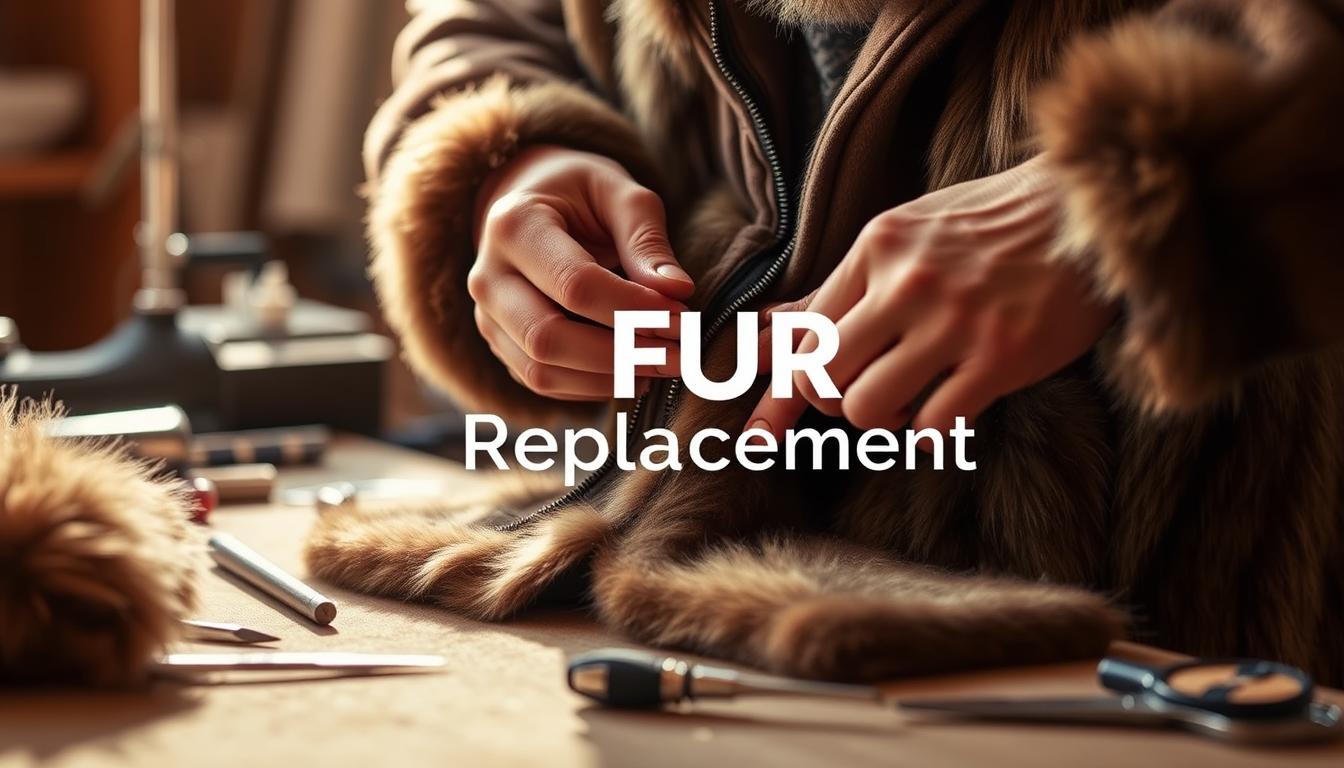
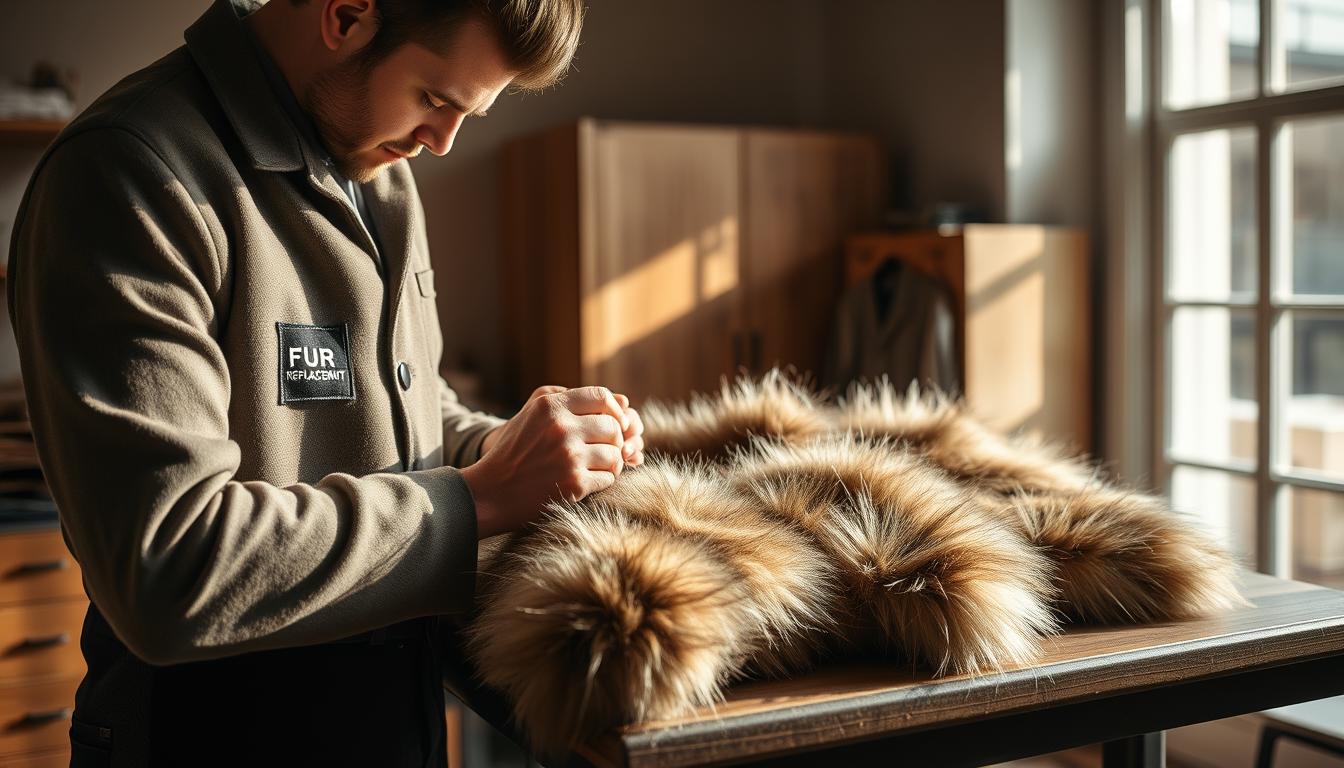
There are moments when a beloved coat stops fitting your life the way it once did. You might remember the warmth, the silhouette, or a favorite detail that felt like yours. We understand that restoration is emotional and practical.
FUR REPLACEMENT™ brings a craftsman’s eye and Scandinavian restraint to every project. We blend ethically sourced materials with durable hardware, from brass and antique brass finishes to made usa manufacturing options.
Our team helps you view choices clearly. We cover product specs, how to measure length in inches, and when two-way solutions make sense for mobility. We also explain how to protect leather and structured coats during work.
Expect clear guidance on fit, long-term performance, and tailored options that keep luxury lines intact while breathing new life into your garment.
Key Takeaways
- We combine craftsmanship with ethical materials for premium outcomes.
- Learn to specify length in inches and pick finishes like brass or antique brass.
- Two-way options improve mobility without changing the silhouette.
- Advice covers leather care and protecting structured pieces during work.
- Made USA and wholesale choices are available for custom needs.
Why Jacket Fur Zipper Replacement Revitalizes Your Outerwear
A targeted hardware update revives both the look and the practical use of a favorite outer layer. We focus on function and finish so your garment performs like new while keeping its luxury appeal.
Restore function, maintain luxury aesthetics
A precise zipper update restores smooth closure and returns a tailored profile to the front cover and collar. Choose metal for rugged use, molded plastic for light wear, or nylon coil for flexible drape.
Matching finishes such as antique brass or polished metal reduce visible light reflections and align with premium accents. Correct length in inches prevents torque at the hem and keeps plackets and hoods meeting cleanly.
Modern sustainability with cruelty-free fur accents
FUR REPLACEMENT™ elevates garments with cruelty-free, Scandinavian-designed accents that preserve luxury style and improve durability. Pairing a clean closure with ethical trim reduces waste and extends the life of a beloved coat.
“Thoughtful hardware choices translate to smooth pull, quiet operation, and long-term wear.”
- Two-way and separating options support comfort and ventilation without changing silhouette.
- Reinforced components stabilize high-stress points on travel and heavy outerwear.
- We help you view product specs and choose the correct length up to 72 inches for accurate fit.
Know Your Zipper: Materials, Gauges, and Separating Types
A proper closure choice balances strength, smooth action, and visual harmony with trims.
Material matters. Choose metal for heritage leather and heavy coats for a weighty, classic feel. Pick molded plastic for coastal and sport layers where corrosion resistance and light weight matter. Nylon coil works best on flexible pieces and soft curves.
Gauge denotes tooth size and strength. Use #5 for light coats, #7 or #8 for mid-weight, and #10 for heavy-duty wear. Two-way options add mobility for commuting and sitting. Separating styles are essential for front openings; confirm compatible box and pin ends before you buy.
- View product ranges by gauge and finish before ordering.
- Verify length in inches against CF (center front) to avoid shortness.
- Align tape color and finish with trims; antique brass pairs with earth tones.
| Product | Gauge | Finish / Type | From (USD) | Max Length (inches) |
|---|---|---|---|---|
| #10 Brass Heavy Duty Separating | #10 | Brass / Metal | $8.95 | 72 |
| #7 Antique Brass Separating | #7 | Antique brass | $10.85 | 36 |
| #5 Nylon Coil Separating | #5 | Nylon coil | $2.70 | 60 |
| #5 Molded Plastic | #5 | Molded plastic | $2.50 | 60 |
“FUR REPLACEMENT™ complements premium closures with Scandinavian style to keep trims and hardware in harmony.”
Choosing the Right Length and Options for Your Jacket
Precision at the start saves time and preserves luxury lines.
A careful measurement in inches prevents costly trimming and keeps proportions intact. Measure the center front from neckline stop to hem. Then match that number to the product length so you avoid cutting heavy teeth or losing gauge integrity.

Measuring length in inches and matching to product specs
Record the exact length in inches and view the product spec sheet before ordering. Brass #10 separates up to 72 inches. Aluminum, molded plastic, and two-way styles commonly reach 60 inches.
When to pick two-way zippers for mobility
Choose a two-way when you need venting from the bottom—driving, cycling, or sitting with layered clothing. Two-way options keep the silhouette intact while adding practical movement.
Customizations and wholesale availability: what it means
Customizations let you request special lengths, alternate pulls, or colorways to match brand detailing. Wholesale pricing supports outfitters and repair shops ordering consistent product runs.
- Confirm tape width and gauge to fit seam allowances.
- Align final length with collar stance and hem treatments to avoid stress points.
- For lined coats, verify turn-under so the new length nests under the facing.
- Keep documentation of chosen specs for future service or matching pieces.
| Need | Common Max Length (inches) | Notes |
|---|---|---|
| Brass #10 Separating | 72 | Best for heavy coats and long parkas |
| Two-way / Aluminum / Molded | 60 | Good for mid-length parkas and flexible layers |
| Custom / Wholesale | Varies | Special lengths, pulls, and bulk pricing available |
Tools, Materials, and Thread Setup for a Clean Replacement
Start by arranging tools and testing settings before touching the garment. We favor a tidy bench and a short checklist. This reduces rework and protects luxury fabrics and cruelty-free fur accents.
Core tools and handling
Use a seam ripper to open seams near the box piece. A sharp knife cleanly cuts between profile teeth. Use clips where pins would distort layers.
Needle, thread and stitch settings
Select a 100–110 jeans needle for heavy layers or a 100 universal for slightly lighter stacks. Use polyester thread for strength and abrasion resistance.
- Lay out: seam ripper, sharp knife, fine scissors, zipper foot, standard foot, fabric clips, tailor’s chalk, and measuring tape in inches.
- Baste to facings at a long stitch length (5–6) for straight tracking; set 3–3.5 for final topstitching through bulk.
- Fit a zipper foot to sew close to teeth; switch to a standard foot when bulk rides higher.
- Start sewing near the reinforced bottom without crossing teeth; bartack at starts and ends.
- Test machine settings on scrap with lining and outer fabrics before work.
| Tool | Purpose | Notes |
|---|---|---|
| Seam ripper | Open seams at box piece | Work slowly to avoid hole enlargement |
| 100–110 jeans needle | Penetrate multiple plies | Prevents skipped stitches on heavy jacket layers |
| Polyester thread | Top and bobbin strength | Match top thread to outer and bobbin to lining |
| Zipper foot & clips | Sew close to teeth; stabilize layers | Use clips, not pins, on thick stacks |
How to Remove a Broken Zipper Without Damaging the Jacket
Protecting the garment matters at every step. Open the closure entirely and study the bottom box piece—this is your safe removal point. Work slowly and keep tools close to avoid accidental nicks to the outer cover.
Isolate the box piece at the bottom
Open the zipper fully and find the reinforced box at the hem. Mark seam endpoints so you remove only what you must. Note the current length in inches before cutting.
Cut spiral or profile teeth safely
For spiral/coil teeth, cut just above the reinforcement. For profile teeth, use a sharp knife between teeth to protect scissors and fabric. Trim tape close to the fabric, moving from bottom to top on each side.
Unpick seams and prep the cuff
Use a seam ripper to release bartacks and short seams around the box piece. Remove remaining teeth from tape ends and keep both sides even so alignment stays square at the top and hem.
- Handle the placket minimally and clip, not pin, where thickness distorts.
- Clean loose threads and press lightly if fabric allows.
- Confirm both sides mirror each other before you use zipper fittings.
Step-by-Step: Jacket Fur Zipper Replacement
Begin with precise facing strips—this single step governs fit and finish. Cut facing and lining strips 6–8 cm wide and 5 cm longer than the chosen length in inches. Use stretch facing for stretch bodies and solid facing for non-stretch pieces.
Place the closure face-up on the first facing and align the reinforced box at your mark. Baste with a long stitch (5–6) and bartack both start and end for security. Fit the zipper foot and sew close along the teeth; stop 6–8 inches before the slider, lower the needle, lift the foot, move the slider, then finish cleanly.

Fold the assembly and align to the second facing right-sides together. Sew the opposite side with the foot offset for symmetry. Lay the jacket flat, inside up, and set the first facing to the cuff. Stitch about 2 mm from the edge, taking care not to sew over the tape or teeth.
Flip the facing so the closure sits between facing and garment. Clip evenly up to the top and fold excess neatly. Use a 100–110 jeans needle; match top thread to the outer and bobbin to the facing. Topstitch at 3–3.5 for a crisp, premium line.
Mirror the second side: align bottom heights, secure to the cuff, and complete side stitching. Finish the top by folding the facing around the tape and securing across the upper edge with a straight stitch or a blind stitch on lined pieces.
Final check: confirm slider motion is smooth and the jacket zipper aligns perfectly at the top and cuff. Precision here yields a luxury finish that pairs seamlessly with FUR REPLACEMENT™ cruelty-free accents.
Pro Tips for Leather, Coated Fabrics, and Heavy Jackets
Leather and waxed coatings need gentle handling to preserve finish and maintain smooth operation.
When to use YKK #10 metal zippers in antique brass
Choose a YKK-style #10 metal zipper in antique brass or brass for leather and rugged field wear when strength and heritage styling matter. Heavy-duty #10 brass separates reach up to 72 inches; two-way antique brass options go to 60 inches for long parkas and coats.
Managing bulk, feeding issues, and avoiding tooth snags
Grade seam allowances and press layers to reduce bulk at the side stacks. Use a 100–110 jeans needle and lengthen stitch slightly through dense areas to avoid perforation.
For coated or waxed shells, test feed on scrap and consider a Teflon foot if surface drag appears. If marine exposure is a concern, molded plastic in a heavy gauge gives corrosion resistance while keeping strength.
- Keep facings flat and bartack stress points to stop tooth snags.
- Verify length in inches after a dry fit to prevent collar or hem stress.
- Finish exposed leather cuts with edge paint or wax for a clean, durable line.
“Our craftsman approach safeguards premium materials while delivering enduring performance and a refined, Scandinavian-inspired finish.”
DIY vs. Professional Services in the United States
Deciding whether to DIY or hire a pro starts with the garment’s material and sentimental value.
Typical pro offering: many U.S. specialists list a service at about $125 that uses a YKK #10 metal zipper in antique brass. This product choice balances strength and classic looks for heavy leather coats.
What pros include
Shops often add cuffs, side pockets, and identity patches. You can request lapel pen pockets or a lapel knife pocket sized for EDC items. Wrist or waist cuffs in 98% wool/2% spandex, made usa, are common add-ons (+$10 for elastic).
When to send leather or military pieces
For structured leather, heavy canvas, or military coats, ship to a specialist. They have adhesives, tools, and experience to protect grain and lining. Ask to view prior product work and request a written scope that covers length in inches, two-way options, tape color, and any reinforcement.
- Pro tip: request photos to view stitch quality and hardware alignment.
- Confirm brass vs. antique brass finish to match existing trim.
- Decide based on complexity, sentimental value, and desired longevity.
“We guide clients to the right path—DIY when simple, pro when preservation matters.”
Conclusion
FUR REPLACEMENT™, stands for handcrafted quality, cruelty-free materials, Scandinavian design, and durability—restoring and elevating garments with premium details.
Round out the project with focused checks on length, symmetry, and slider travel. View product specs in inches and confirm top and side alignment before final sewing. Keep thread tension consistent and use a machine foot that tracks cleanly along the cover.
For complex leather or heirloom coat work, pro service (many U.S. shops list YKK #10 antique brass installs around $125) is a smart addition. Molded plastic suits wet use; metal keeps heritage looks. View our collections at www.fur-replacement.com to explore options and decide whether to DIY or commission the work.