I remember the first winter coat my family saved for—a piece that felt like protection and pride. When a trusted outerwear brand shifted its materials, it touched more than style. It touched values we hold for warmth, care, and the world we share.
Canada Goose announced in 2021 a major change: a move from traditional trims toward reclaimed options and a pledge to stop manufacturing with fur by the end of 2022. That decision unfolded amid public pressure, new sustainability goals, and evolving expectations from people who value both performance and ethics.
The story is not just policy. It is about inventory realities, like continued sales of Heritage stock, and about innovation—materials such as Kind Fleece and Responsible Down Standard certification that aim to match function with conscience.
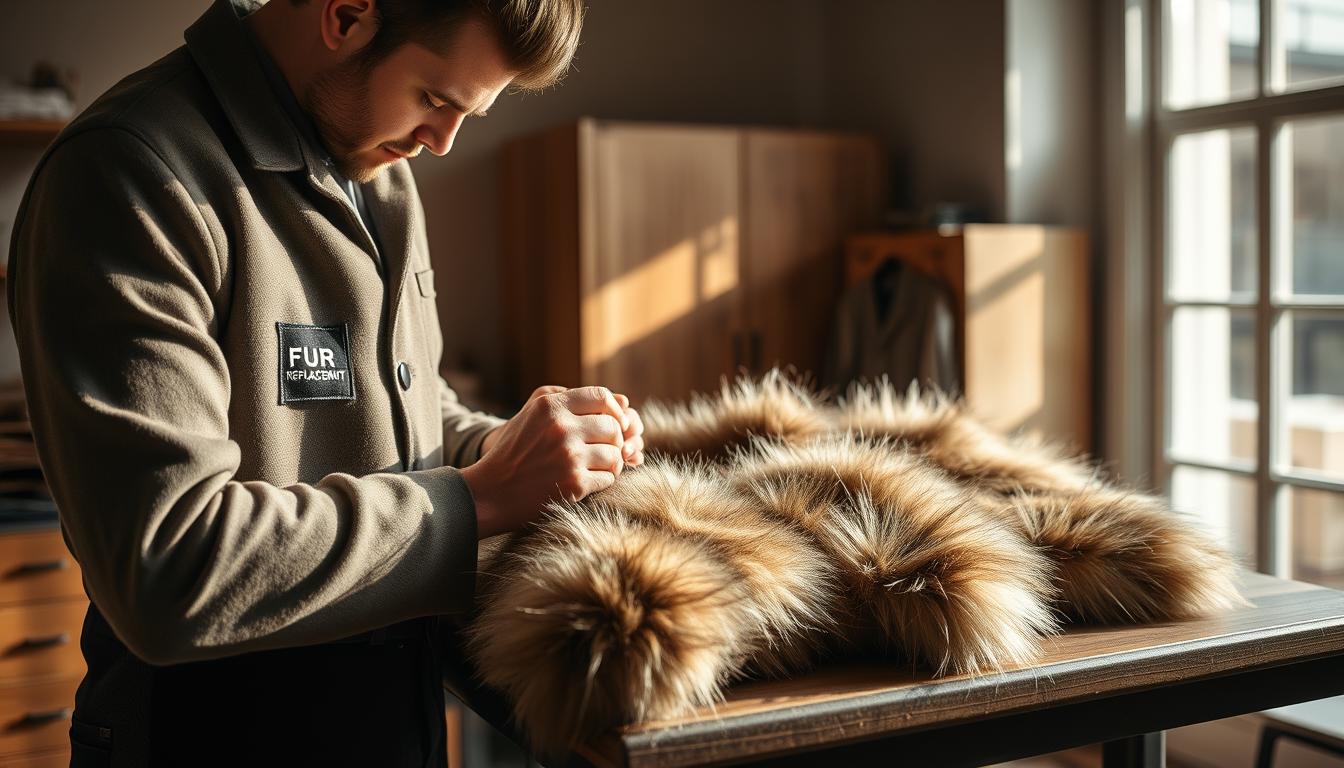
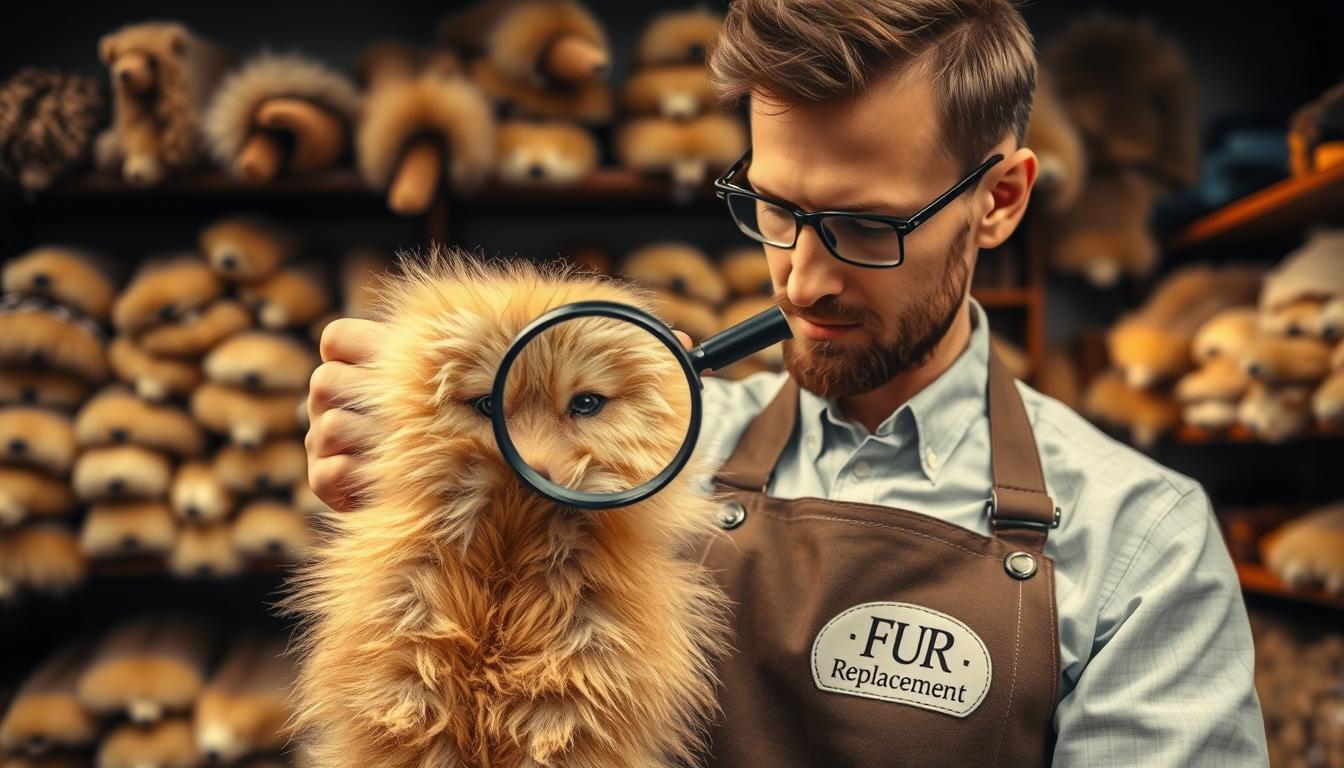
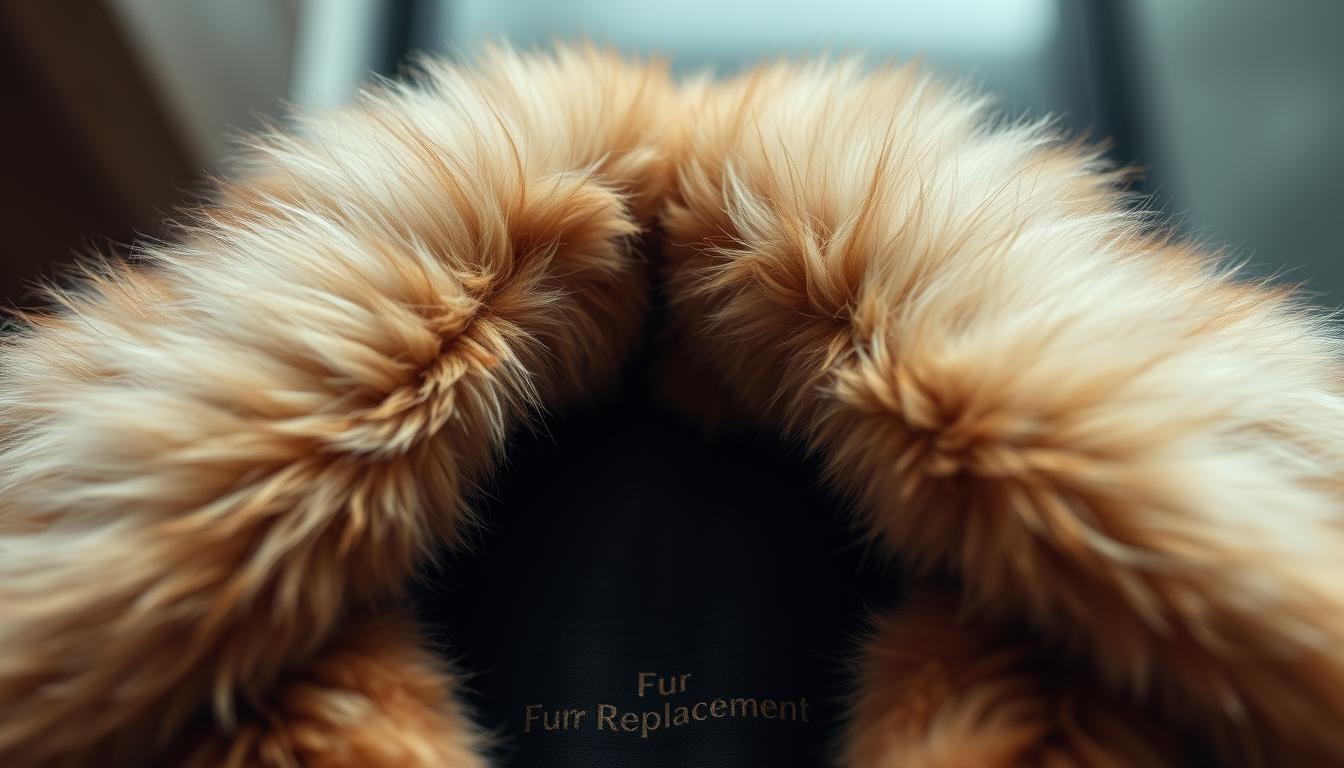
We introduce FUR REPLACEMENT™ as a premium, handcrafted alternative. Our pieces mirror the look and feel of natural fur while honoring cruelty-free principles and Scandinavian design. For buyers who demand luxury without compromise, this shift marks a new chapter in durable, ethical fashion.
Key Takeaways
- Public scrutiny and shifting values prompted a major materials shift for a leading outerwear brand.
- The 2021 pledge moved from reclaimed trials to a formal phase-out of fur manufacturing.
- Material innovation and certifications aim to balance warmth, performance, and ethics.
- Heritage inventory and labeling created real-world confusion during the transition.
- FUR REPLACEMENT™ offers a luxury, cruelty-free option for discerning customers.
Why did Canada Goose go fur free: Timeline, pressure, and a changing industry
A clear timeline shows how public pressure and policy converged over three pivotal years.
2020 began with a formal Sustainable Impact Strategy. The plan aimed to stop purchasing new fur from trappers by 2022 and shift toward reclaimed ruffs.
2021 tightened targets: end all fur purchases by year-end and cease manufacturing with fur by the end of 2022. These steps reframed procurement across the outerwear industry.

Activism and legal pressure
PETA’s campaigns, protests, billboard work, and shareholder moves kept scrutiny high. The group, active since 2006, used shareholder status in 2017 to press resolutions and spotlight sourcing claims.
Legal battles and an FTC complaint challenged assertions about ethical sourcing. That scrutiny highlighted risks tied to fur trappers and fur trapping oversight.
Shifting consumer sentiment
Parkas once read as status symbols. Over time buyers in the United States and worldwide began to see fur trims as outdated. Social media and high-profile collaborations amplified backlash, especially after the Jane Fonda partnership in 2024.
| Year | Key action | Impact |
|---|---|---|
| 2020 | Strategy to stop buying new fur; reclaimed ruffs plan | Signaled transitional approach and supply changes |
| 2021 | End purchase of all fur by year-end | Raised expectations for supply chain reform |
| 2022 | Cease manufacturing with fur | Shifted brand positioning; testing alternatives |
| 2024 | Consumer backlash after high-profile collaboration | Reinforced demand for transparency and cruelty-free options |
Looking ahead, execution and transparency will matter more than headlines. For buyers seeking premium, cruelty-free trims, FUR REPLACEMENT™ offers handcrafted alternatives that mirror the look and feel of animal-derived ruffs. Learn more about the commitment in this report: commits to going fur-free.
Inside the decision: From “end purchase of fur” to “cease manufacturing with fur”
A clear shift in procurement practice reshaped production timelines across the outerwear industry.
Policy evolution moved the company from a reclaimed fur approach to an absolute end purchase fur commitment by late 2021. That pledge then set a hard stop: cease manufacturing fur by the end of 2022.
Operational teams stopped sourcing new fur and adjusted production calendars. They phased out SKUs and prepared materials pipelines for alternative textiles and trims.
Heritage stock and customer confusion
The company continued selling Heritage inventory to avoid waste. Yet some unlabeled listings in 2024 caused confusion at point of sale.
Function claims vs. sustainability
Historically, the brand defended use coyote trims for airflow and water-shedding. Post-phase-out, communications emphasized materials innovation—Kind Fleece and new performance textiles—to match warmth-to-weight and durability goals.
“Transparency at the SKU level will be the true test of commitment.”
For discerning buyers, FUR REPLACEMENT™ provides handcrafted, cruelty-free trims that mirror performance aesthetics. Explore options at a closer look at the commitment or visit www.fur-replacement.com for premium alternatives.
Beyond fur: Down, feathers, and the road to broader sustainability
As attention shifted from ruffs, down and other animal-derived inputs became the next focus for scrutiny.
Responsible sourcing and ongoing questions
Canada Goose holds Responsible Down Standard certification. RDS forbids live-plucking and force-feeding.
Still, the reliance on down sourced from ducks geese keeps critics asking for clearer timelines to end use feathers. Advocacy groups press for stronger commitments to eliminate animal inputs where feasible.

Materials, platforms, and manufacturing shifts
The Humanature platform (launched 2020) sets net-zero goals for 2025 and expands bluesign-approved materials. Kind Fleece blends 62% recycled wool, 18% TENCEL Lyocell, and 13% bio-based Sorona.
We see this as a production shift that balances performance, warmth, and reduced impact.
- Transparency and third-party audits are now standard in the industry.
- Partnerships with Polar Bears International tie product work to conservation results.
| Topic | Commitment | Impact |
|---|---|---|
| Responsible Down | RDS certified | No live-plucking; reduces animal harm |
| Kind Fleece | Recycled & bio-based mix | Lower carbon, durable warmth |
| Humanature | Net-zero by 2025 | Targets manufacturing and materials |
“Progress will be judged by clear milestones on animal, climate, and circularity.”
FUR REPLACEMENT™ complements this shift. Our cruelty-free trims restore and elevate outerwear with Scandinavian precision. Learn more at www.fur-replacement.com.
Luxury alternatives without compromise: Cruelty-free trims and Scandinavian design
High-end labels are refocusing trims to match modern ethics and performance. We craft replacements that suit premium jackets and protect design intent.
FUR REPLACEMENT™: handcrafted, ethically sourced, and built for durability.
Matching the look and feel of natural fur—without animal-derived materials
Our materials replicate density, loft, and depth. They resist matting and clean easily.
We test each piece for abrasion, snap strength, and seam performance.
Restoring and elevating jackets and parkas with premium replacement accessories
Scandinavian design guides our proportions and finishing. Attachments fit a range of collars and jackets.
Customers restore heirloom coats or update modern silhouettes with luxury trims that respect animal rights.
Feature comparison
| Feature | FUR REPLACEMENT™ | Traditional trims |
|---|---|---|
| Source | Cruelty-free, engineered materials | Animal-derived or reclaimed fur |
| Durability | High—tested for wear and snaps | Variable—depends on origin |
| Care | Machine-safe options, simple maintenance | Professional cleaning often required |
“This is the step that marries ethics and aesthetics.”
Conclusion
This journey marks a clear pivot in high-end outerwear toward transparent production and measured impact.
The 2021 pledge to end purchase fur and to cease manufacturing with fur by the end of 2022 set concrete milestones for the company. Ongoing sell-through of Heritage jackets and RDS-certified down show progress and open questions about animal-derived materials.
Partnerships such as Polar Bears International, materials like Kind Fleece, and the Humanature platform aim at net-zero targets. Stakeholders will watch manufacturing, production, and yearly proof points.
FUR REPLACEMENT™ offers a refined way forward: handcrafted, cruelty‑aware trims that honor design and durability. Explore craftsmanship at www.fur-replacement.com for a premium path that respects animal rights and elevates jackets for seasons ahead.