
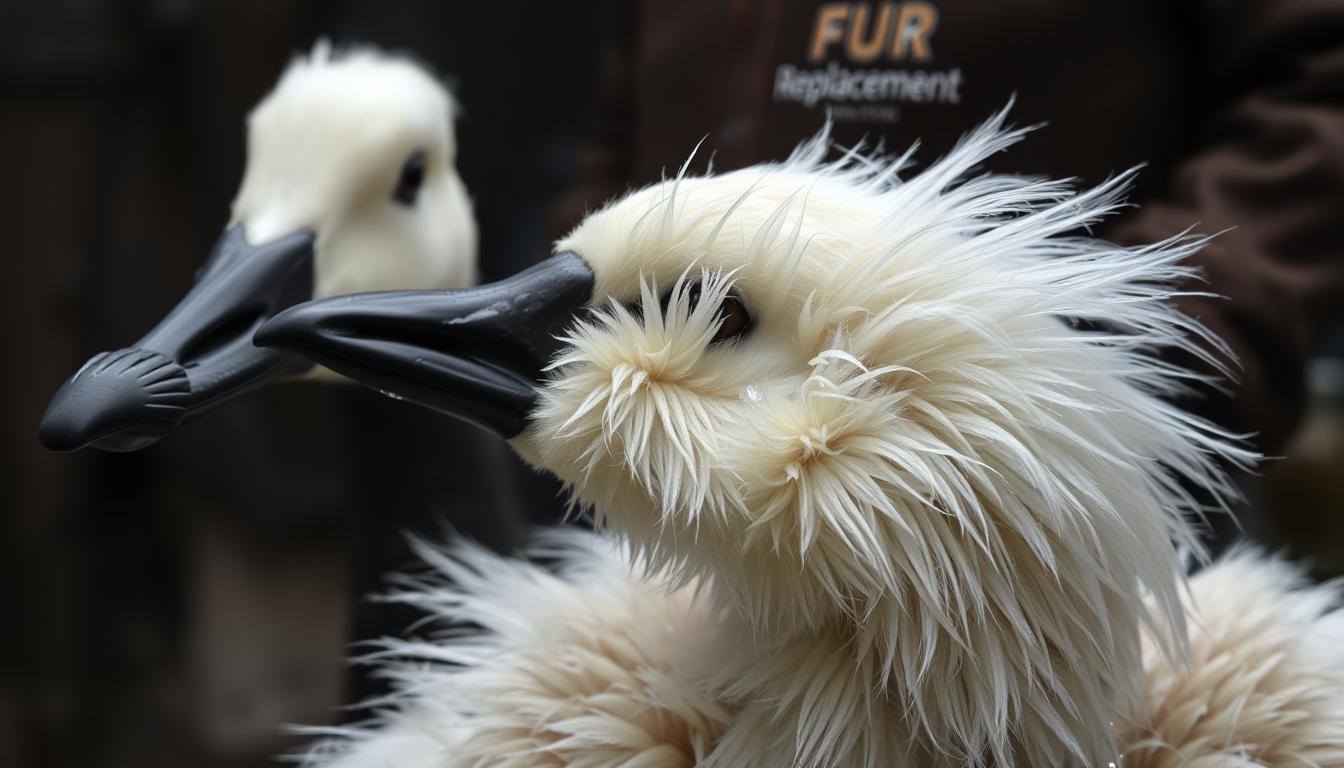
What to do with Canada Goose fur after rain
Check which part is wet: the hair, the trim's backing, the hood fabric or several of these. Note how long it was exposed and whether the water was clean rain or included road spray, dirt or another contaminant. These details help when asking for care advice.
Use the drying instructions for the trim you have. A Canada Goose jacket may have an original trim, a later natural-fur replacement or a faux-fur trim. Instructions for one material do not establish a suitable drying method for another.
Separate drying from cleaning and reshaping
- Read the trim's care instructions before applying heat or a cleaning product. If they are missing, contact its maker or a fur specialist and describe the exposure.
- Check the fastening. Remove a detachable trim only through its intended zipper, buttons or loops; do not cut a sewn edge to separate it.
- Follow the specified drying method and support the trim as instructed. Avoid squeezing or wringing it to speed things up. Keep it away from a direct heat source unless its maker permits that treatment.
- Inspect it again after the permitted drying process. Record remaining tangles, staining, loose hair or a change in the backing before trying to groom it.
There is no reliable drying time for every trim and degree of wetting. Hair that looks dry does not establish the condition of the backing beneath it. If you cannot tell whether it has dried appropriately, get advice before putting it into storage.
Keep the jacket's care instructions separate
Canada Goose's product-care page distinguishes parkas from lightweight jackets and shells. It also separates detachable fur from parka cleaning. Refer to your garment's label for the jacket itself.
Do not use a down-loft routine as a fur-drying routine. Equally, a washing instruction for a lightweight shell does not permit washing a detached fur trim. If dirt remains after the rain, consult the Canada Goose fur-cleaning guide before adding a cleaner.
What to check after drying
Look at the same areas you noted when the trim was wet. Check the hair, its attachment to the backing, seams and fastening. Photograph any colour transfer, stiffness, persistent odour or shedding. Describe what changed without assuming that a photograph alone can establish whether the trim is repairable.
If the hair has formed knots, use the matted-fur assessment. If it is dry and only lies flat, the fluffing checks for Canada Goose fur explain what to consider before brushing. Stop home treatment when the condition remains unclear.
When to ask about repair or replacement
Contact a specialist if the trim was soaked, has persistent contamination or shows damage after drying. Give the material information, photographs and a record of any treatments already used. Ask whether the trim and hood fastening need separate work, and what result the specialist expects before accepting a treatment.
If the trim cannot be recovered and replacement is needed, our Canada Goose replacement fur collar page provides material and fit options. A replacement does not repair a damaged hood zipper or waterproof the rest of the jacket. Check the fastening before ordering.